Motivational Interviewing Response & Rating via Synthetic cOnversational tuRns
Building models for generating realistic, synthetic conversational data to assess clinicians’ motivational interviewing (MI) skills. A data-centric challenge to advance healthcare AI.
The Challenge
We aim to build models for generating realistic, synthetic conversational data used to train automated assessment systems for Motivational Interviewing (MI).
These skills are evaluated using the Motivational Interviewing Treatment Integrity (MITI) rubric. However, building reliable models is hindered by the scarcity of high-quality, privacy-compliant data.
The Goal: Generate synthetic "volleys" (conversation turns) to train models in classifying pairs of Behavior Codes (BCs), helping identify proficiency or deficiency in clinical interviewing skills.
Data-Centric Competition
Participants are expected to produce high-quality datasets representing a wide range of clinical conversations to enhance the performance of a frozen baseline model (DistillBert).
- Improve BC recognition performance.
- Ensure fidelity to clinically plausible interactions.
- Avoid bias and mode collapse in synthetic data.
Task Description
We invite the community to develop Generative AI (GenAI) methods for creating synthetic conversation turns that can substantially improve the performance of models trained to recognize behavior codes (BCs) in the context of motivational interviews.
What is a Behavior Code?
A Behavior Code (BC) is a discrete, observable clinician action (e.g., asking a question, giving information) counted during the coding of a motivational interviewing session.
These codes allow raters to tally how often particular clinician behaviours occur, helping assess adherence to MI-consistent versus MI-inconsistent practice.
Our Goal
Our ultimate goal is to generate valuable data for training models for the automatic assessment of clinicians’ motivational-interviewing skills.
These skills (crucial for promoting behavior change among patients) can be evaluated by using the Motivational Interviewing Treatment Integrity (MITI) rubric.
Data-Centric Competition
This is a data-centric competition: participants are expected to produce high-quality datasets representing a wide range of clinical conversations (rather than training a model) to enhance the performance of a frozen baseline model used for BC classification.
We encourage participants to include samples featuring clients from diverse backgrounds, varied conversation topics, and conversing with different types of health professionals.
Target Behavior Codes
Submissions must generate content for these specific categories, covering both MI-consistent behaviors and anti-MI behaviors.
Giving Information
Neutral education without persuasion.
Questions
Open and closed queries seeking client response.
Simple Reflection
Repeating or rephrasing without adding meaning.
Complex Reflection
Adding substantial meaning or emphasis.
Persuasion
Overt attempts to change opinions without autonomy.
Task Phases & Resources
Participants in this competition must provide three datasets, one for each pair of considered BCs, each containing at most 100 labeled conversation turns. These datasets will be used to fine-tune pretrained models. The fine-tuned models will then generate predictions for a held-out dataset. The performance of the fine-tuned models on this held-out dataset will serve as the primary evaluation metric for ranking participants.
The BC pairs are: (1) Simple Reflection vs. Complex Reflection; (2) Open Question vs. Closed Question; (3) Persuasion vs. Giving Information.
Development Phase
Contains
Final Phase
Contains
Official Results
Contains
Tentative Schedule (2026)
Development Phase
Start of the development phase.
Final Phase
Start of the final phase.
Evaluation Ends
End of evaluation campaign.
Official Results
Publication of official results.
Paper Submission
Deadline for paper submission.
Acceptance Notification
Acceptance notification.
Camera-ready Submission
Camera-ready submission deadline.
Proceedings Publication
Publication of proceedings.
Workshop
Workshop with SEPLN 2026.
Organizing Team
The researchers behind MIRROR@IberLEF2026
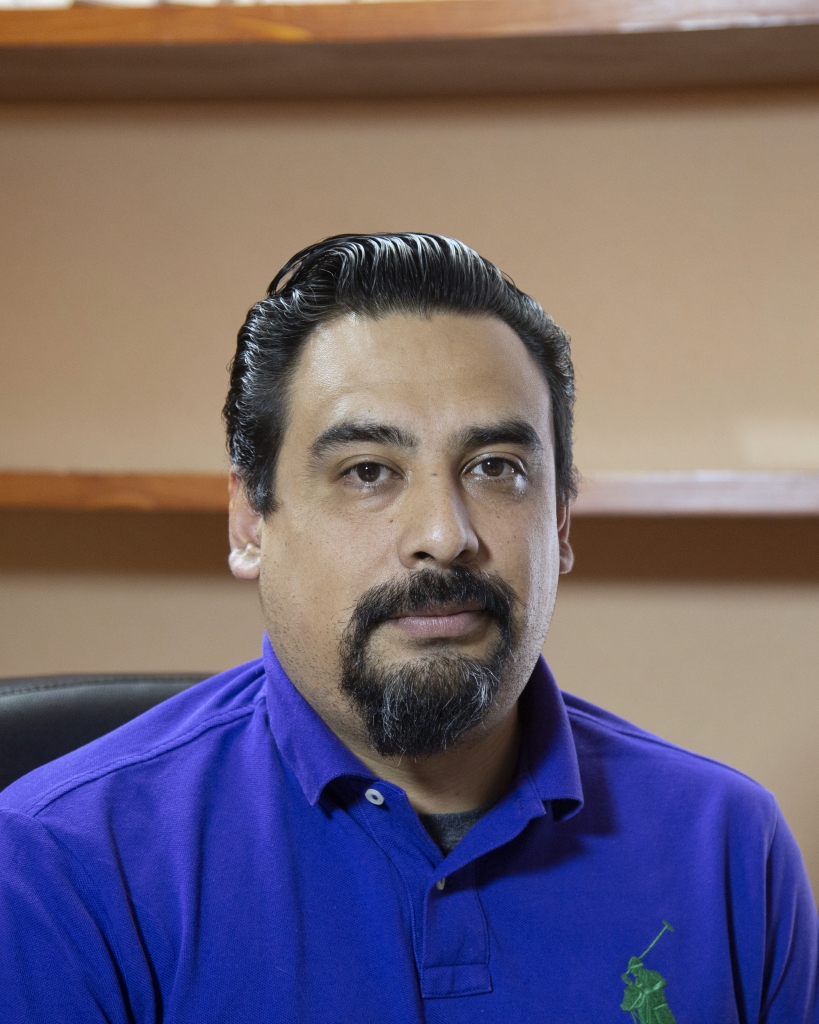
Hugo Jair Escalante
Primary Contact
INAOE, Mexico
Research Scientist at INAOE. Vice chair of IAPR TC12. Organizer of challenges at NeurIPS, ICPR, and more.
hugo.jair@gmail.com
John Piette
Professor of Global Public Health
University of Michigan, USA
Expert in evidence-based clinical communication for behavior change. Lectures on clinical AI applications.
jpiette@umich.edu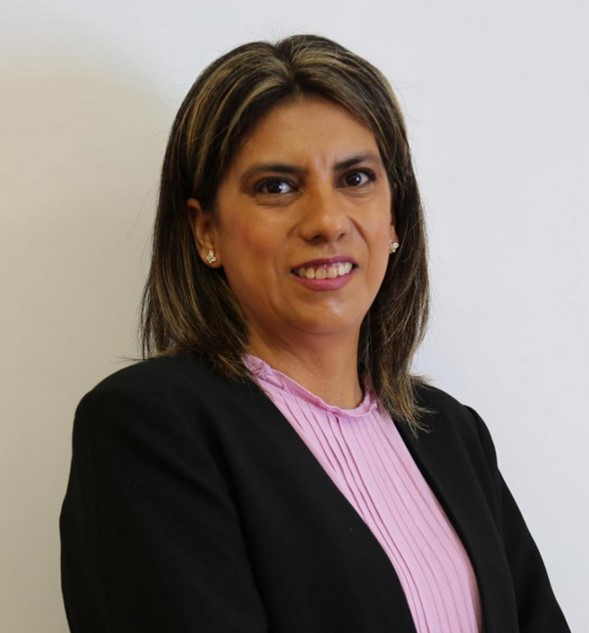
Delia Irazú Hernández
Researcher
INAOE, Mexico
Member of AMNLP. Research focuses on NLP in social media, sentiment analysis, and irony detection.
dirazuhf@inaoep.mx
Luis Villaseñor Pineda
Research Scientist
INAOE, Mexico
Organizer of the Annual Mexican Workshop of Language Technologies. Former president of AMNLP.
villasen@inaoep.mx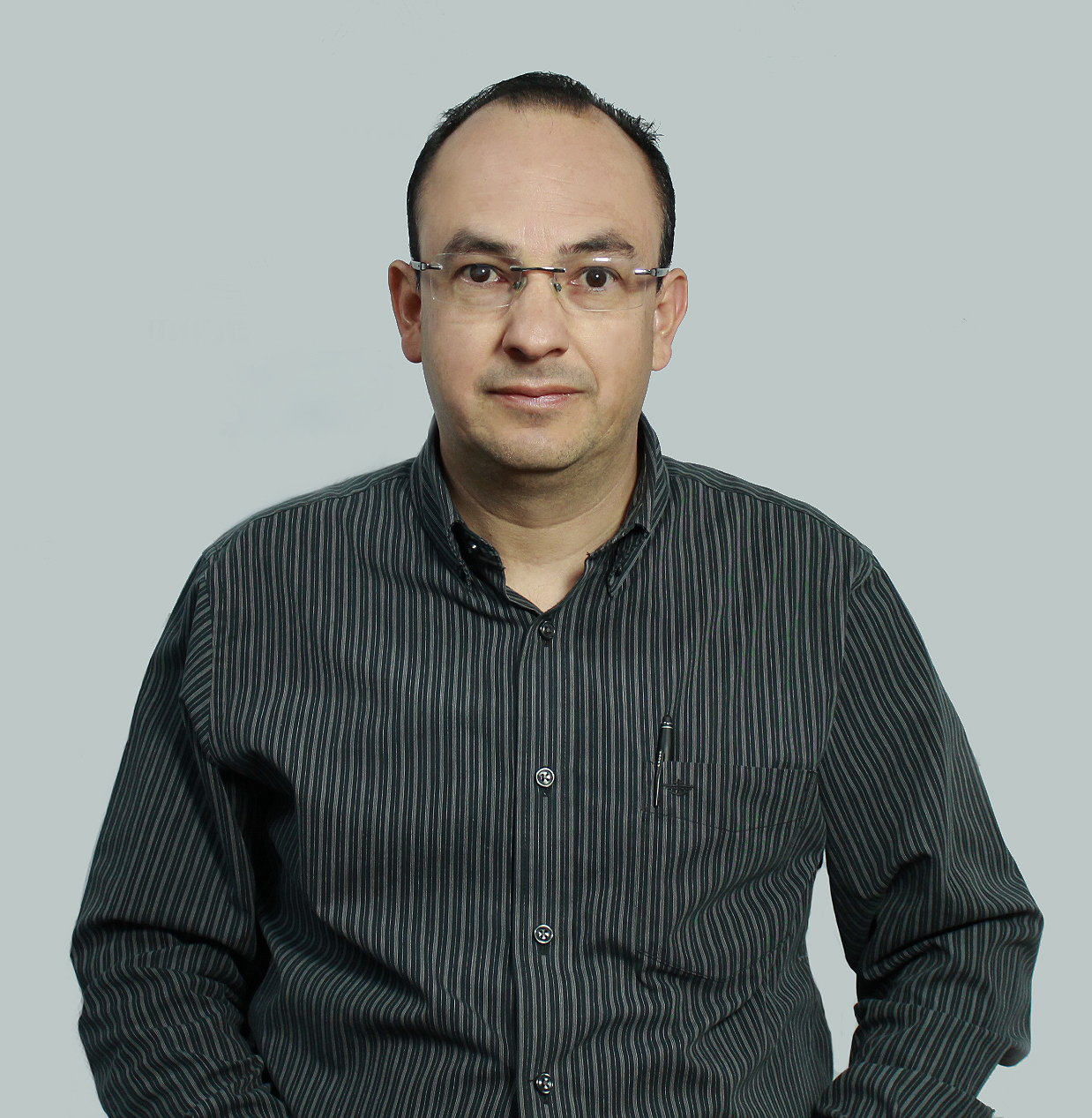
Manuel Montes y Gómez
Research Scientist
INAOE, Mexico
Author of 200+ papers in text mining and authorship analysis. Program chair for IBERAMIA.
mmontesg@inaoep.mx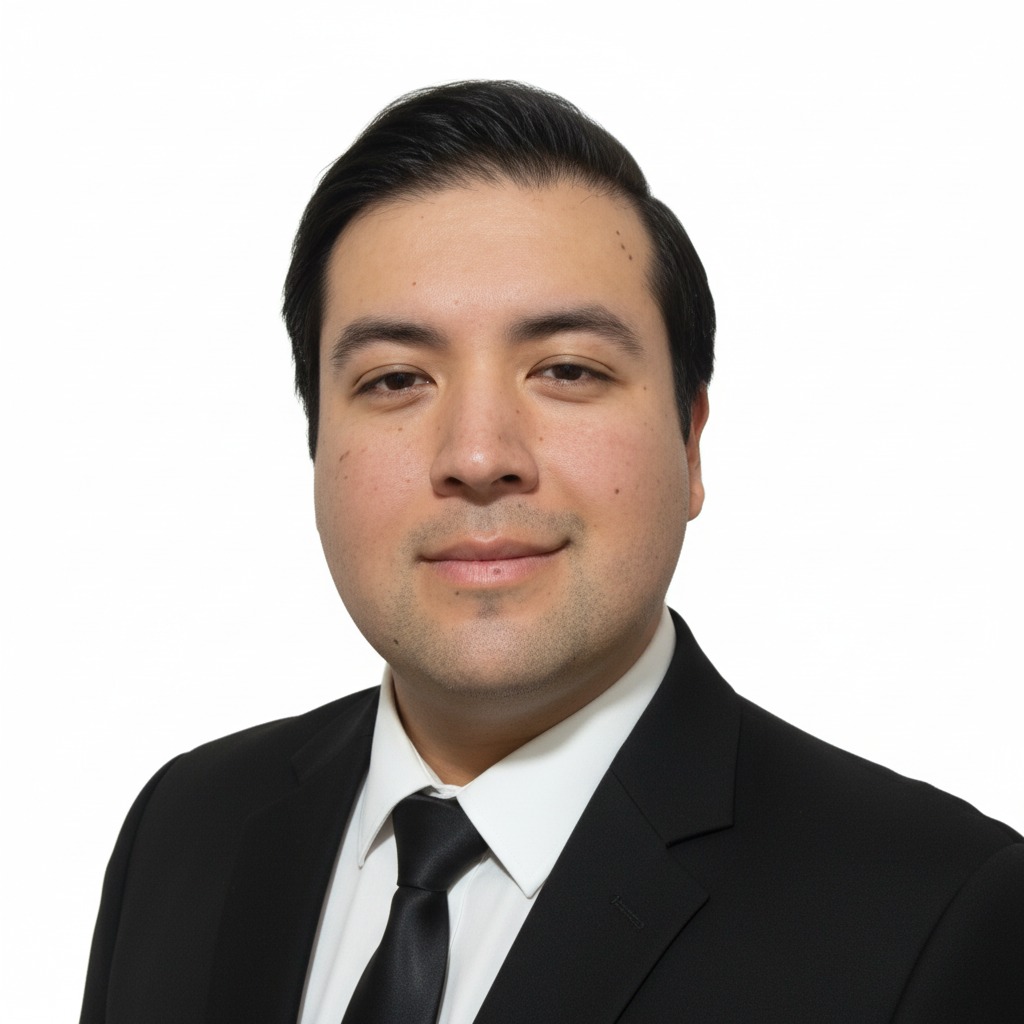
Carlos Antonio Olachea
PhD Student
INAOE, Mexico
PhD Student in Computer Science, focusing in Speech and Language
ca_olachea@inaoep.mx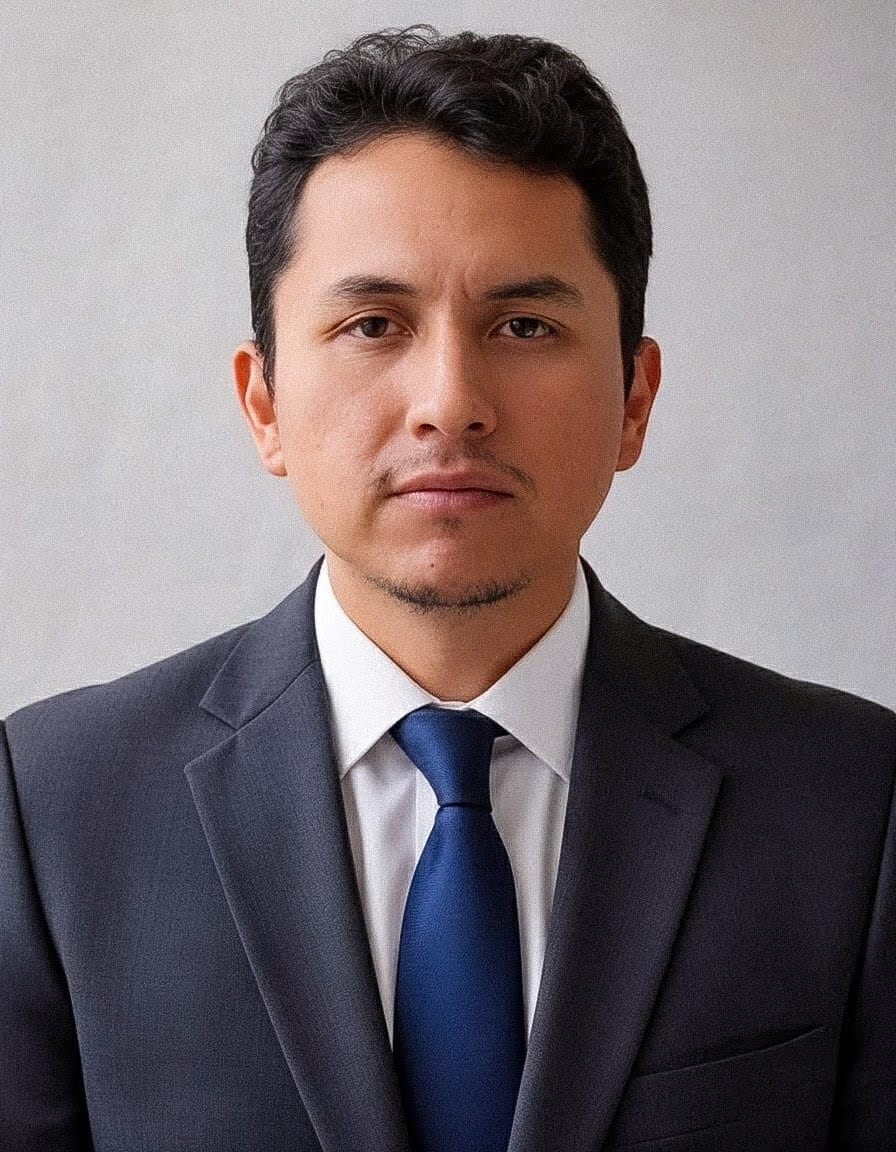
Luis Joaquin Arellano
PhD Student
INAOE, Mexico
PhD student in Computer Science, focusing on Vision and Language.
arellano.luis@inaoep.mxHugo Jair Escalante
Primary Contact
INAOE, Mexico
Research Scientist at INAOE. Vice chair of IAPR TC12. Organizer of challenges at NeurIPS, ICPR, and more.
hugo.jair@gmail.comJohn Piette
Professor of Global Public Health
University of Michigan, USA
Expert in evidence-based clinical communication for behavior change. Lectures on clinical AI applications.
jpiette@umich.eduDelia Irazú Hernández
Researcher
INAOE, Mexico
Member of AMNLP. Research focuses on NLP in social media, sentiment analysis, and irony detection.
dirazuhf@inaoep.mxLuis Villaseñor Pineda
Research Scientist
INAOE, Mexico
Organizer of the Annual Mexican Workshop of Language Technologies. Former president of AMNLP.
villasen@inaoep.mxManuel Montes y Gómez
Research Scientist
INAOE, Mexico
Author of 200+ papers in text mining and authorship analysis. Program chair for IBERAMIA.
mmontesg@inaoep.mxCarlos Antonio Olachea
PhD Student
INAOE, Mexico
PhD Student in Computer Science, focusing in Speech and Language
ca_olachea@inaoep.mxLuis Joaquin Arellano
PhD Student
INAOE, Mexico
PhD student in Computer Science, focusing on Vision and Language.
arellano.luis@inaoep.mxSupported By